

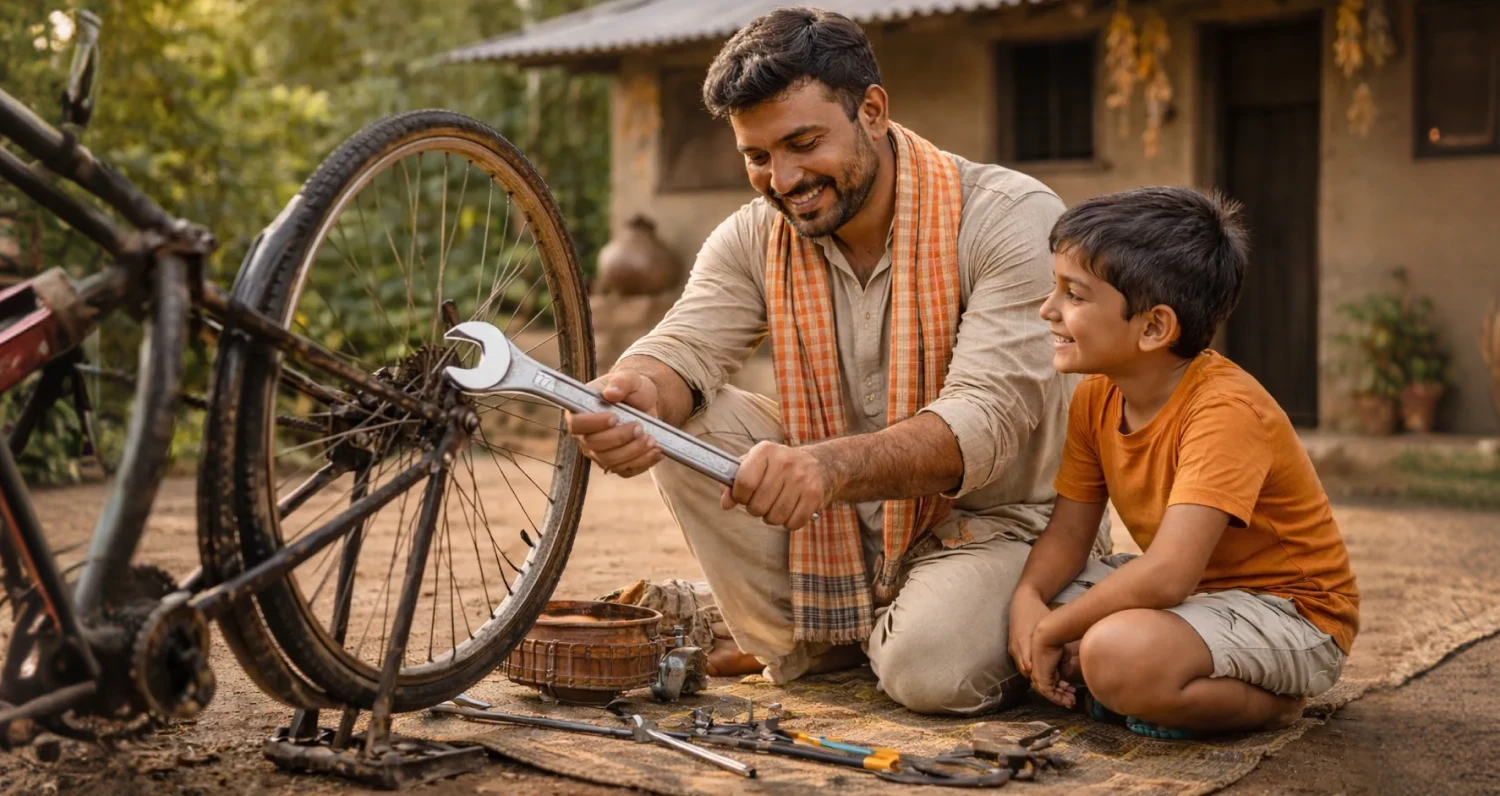


Tightening and loosening bolts may sound like a basic task, but anyone who has dealt with slipping spanners, damaged bolt heads, or wrist strain knows how frustrating it can get.
Whether you’re working on farm equipment, machinery, home repairs, or workshop fittings, the quality of your spanner directly affects speed, safety, and effort.
That is why choosing the right spanner is not a small decision. It is one of the smartest upgrades you can make for daily work.
Why a Good Spanner Matters More Than You Think
A spanner is one of the most frequently used tools in repair and maintenance. But when the tool is poorly made, the problems show up quickly:
· Slips while tightening
· Rounded nut and bolt edges
· Hand fatigue after repeated use
· Slow progress on routine jobs
· Higher risk of injury
A reliable spanner for tightening and loosening bolts should give you a strong grip, smooth turning, and consistent control, even when the bolt is tight or rusted.
The Biggest Problem: Slips and Strain
Most people experience two common issues during tightening jobs:
1) Slipping
This happens when the spanner does not fit properly or loses grip under pressure. Slipping is not only annoying, it can damage the nut and lead to rework.
2) Strain
Using a tool that is poorly balanced or uncomfortable puts stress on your wrist, palm, and forearm. Over time, this slows you down and increases fatigue.
That is why many professionals prefer a spanner for reducing slips and strain, especially for long hours of mechanical work.
How the Right Spanner Improves Every Tightening Job
1) Better Grip for Precise Tightening
A high-quality spanner for precise tightening fits the nut correctly and holds it firmly. This reduces the chance of slipping and ensures clean, accurate fastening.
For tasks where proper fitting matters, a spanner with strong grip and correct jaw sizing also supports accurate torque application, helping you tighten without over-stressing the bolt.
2) Faster Work with Less Effort
A good spanner saves time because you spend less time repositioning, slipping, or struggling.
That is why many mechanics and technicians prefer a spanner for fast and safe tightening, especially in repetitive tasks.
In fact, spanners are among the most efficient fastening tools for professionals, simply because they are used across so many jobs daily.
3) Built for Tough, Daily Use
If you work with equipment regularly, you need a tool that lasts.
A durable spanner for daily mechanical work is designed to handle pressure without bending, cracking, or losing shape.
For more demanding tasks, a heavy-duty spanner for tough fastening tasks is essential, especially in industrial and field environments.
4) Comfortable Grip Means Less Fatigue
Comfort is not a luxury. It directly affects how long you can work.
An ergonomic spanner for a comfortable grip reduces hand strain and helps you apply force more smoothly. This is especially important in workshops and field repairs where jobs can take hours.
5) Suitable for Multiple Work Environments
One of the best things about a spanner is its versatility.
A good spanner is useful as a tool for:
· Home repairs
· Farm equipment maintenance
· Workshop mechanical jobs
· Industrial fastening
· Construction site work
That is why many buyers look for the best spanner for industrial and farm use, and not just for one specific application.
Where Spanners Are Used Most Often
Spanners for Maintenance and Repair Jobs
From fixing pumps to tightening fittings, a good spanner is a must-have for routine repair work.
This makes it an essential spanner for maintenance and repair jobs across households, farms, and workshops.
Spanners for Automobile and Machinery Repair
Mechanics depend on spanners daily.
A well-built spanner for automobile and machinery repair improves efficiency, especially when dealing with tight spaces, rusted bolts, or repeated tightening tasks.
Spanners for Construction and Fabrication Work
In construction and fabrication, fastening needs to be strong and reliable.
A spanner for construction and fabrication work helps professionals tighten bolts securely, ensuring stability and safety in structures and fittings.
How to Choose the Right Spanner: A Quick Selection Guide
Here is a simple spanner selection guide for professionals and everyday users.
When choosing a spanner, look for:
· Correct sizing and firm fit
· Strong, durable steel construction
· Comfortable grip and balance
· Clean finishing for smooth handling
· Long-term reliability under pressure
If you want a tool you can depend on daily, always choose a reliable spanner for long-term use.
Why Tata Agrico Spanners Are Trusted
When it comes to tightening jobs, tool quality matters. Tata Agrico is widely recognised for producing tools designed for Indian usage conditions, including farm work, workshops, and industrial environments.
Tata Agrico spanners are built to support:
· Strong grip for precise tightening
· Reliable performance across tasks
· Long-term durability for daily use
If you are looking to buy a spanner online in India, Tata Agrico tools are available through the official Tata Agrico website.
Final Thoughts
A spanner is one of the simplest tools in a toolbox, but it can make or break your work experience.
The right spanner helps you tighten faster, reduce slips, and work longer without strain. It improves safety, saves time, and prevents damage to bolts and fittings.
The advantages of using a quality spanner are clear: better control, better comfort, and better results.
Whether you work in home repairs, farms, workshops, or industrial jobs, investing in a strong spanner is one of the smartest decisions you can make.