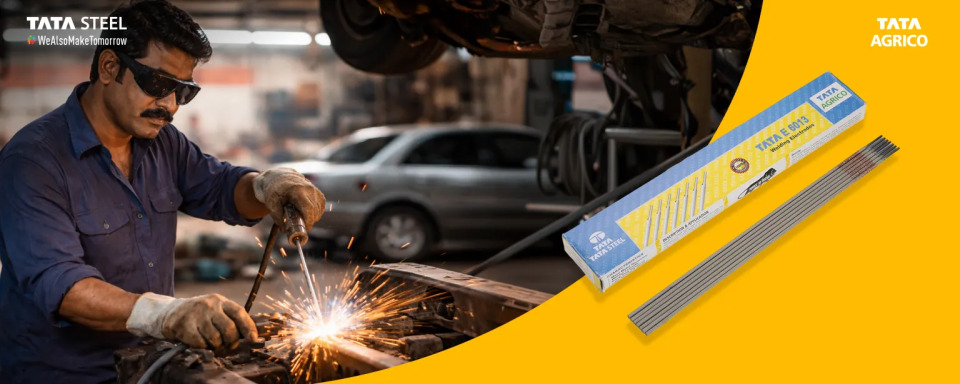




In welding, achieving strong and durable joints depends heavily on selecting the correct electrode. One of the most critical factors is the right electrode size for welding, as it directly influences penetration, heat control, and weld quality.
Understanding how to choose welding electrode size based on material thickness helps improve efficiency and ensure consistent results across different applications.
Understanding Welding Electrode Classification
To begin with, knowing welding electrode classification is essential. Electrodes are classified based on coating, strength, and application.
Common welding electrode types and uses include:
• Mild steel welding rods for general fabrication
• Low-hydrogen electrodes for crack‑resistant welds
• Stainless steel electrodes for corrosion resistance
• Specialised industrial welding electrodes for heavy-duty tasks
Each category is designed to perform under specific conditions, making correct selection crucial.
Why Electrode Size Matters
The welding electrode diameter determines how much current flows and how deeply the weld penetrates the metal. Using the wrong size can result in weak joints or overheating.
The right electrode size for welding helps:
• Achieve proper penetration
• Maintain stable arc performance
• Produce uniform weld beads
• Minimise welding defects
How to Choose Welding Electrode Size Based on Metal Thickness
A practical metal thickness welding guide helps answer “What electrode size should I use?” for different materials and applications. Selecting the correct electrode size ensures proper penetration, arc stability, and overall weld strength.
• Thin Metal (Up to 3 mm)
For thinner materials, smaller electrodes with a welding electrode diameter of 2.0–2.5 mm are ideal. They offer better control, reduce heat input, and prevent burn‑through, making them suitable for precision work and light fabrication.
• Medium Thickness (3 mm to 10 mm)
For general-purpose applications, electrodes ranging from 2.5 mm to 3.15 mm provide balanced performance. These are commonly used with mild steel welding rods, delivering good penetration and consistent weld quality.
• Thick Metal (Above 10 mm)
For heavy sections, larger electrodes (4.0 mm and above) are recommended. These high‑performance welding rods ensure deeper penetration and higher deposition rates, making them suitable for structural and industrial welding tasks.
Best Electrode Size for Mild Steel Welding
Selecting the best electrode size for mild steel welding depends on the application type:
• Light Work: Use smaller welding filler rods (2.0–2.5 mm) for precision tasks.
• General Fabrication: A 2.5–3.15 mm range works well for most jobs.
• Heavy Applications: Larger industrial welding electrodes (4.0 mm and above) are suitable for structural work.
Factors to Consider When Selecting Electrode Size
Knowing how to choose welding rod size involves evaluating several important factors that directly influence weld quality and performance. A well-informed selection ensures better compatibility between the electrode and the application.
• The type of metal determines the suitable electrode composition and coating.
• Welding position affects control and electrode handling during the process.
• Machine current capacity limits the usable electrode size.
• Required strength influences the choice of rod for durability and load-bearing needs.
Selecting appropriate welding rod types helps achieve consistent results, improves weld strength, and ensures efficient performance across different welding conditions.
Mistakes to Avoid When Selecting Electrode Size for Welding
Avoiding common errors in electrode selection is important, as they can significantly affect weld quality and overall performance. Even small mistakes can lead to weak joints, defects, and increased rework:
• Using large electrodes on thin metal can cause excessive heat input, leading to burn‑through and distortion.
• Using small electrodes on thick sections may result in poor penetration and weak bonding.
• Ignoring current settings can create unstable arcs and inconsistent welds.
• Mismatching electrode type with base metal reduces compatibility and affects strength.
Proper electrode selection ensures better weld integrity, improves efficiency, and minimises the need for repeated repairs.
Choosing Reliable Welding Consumables
Selecting high-quality welding consumables plays a major role in performance and consistency. Working with trusted manufacturers ensures better results and long-term reliability.
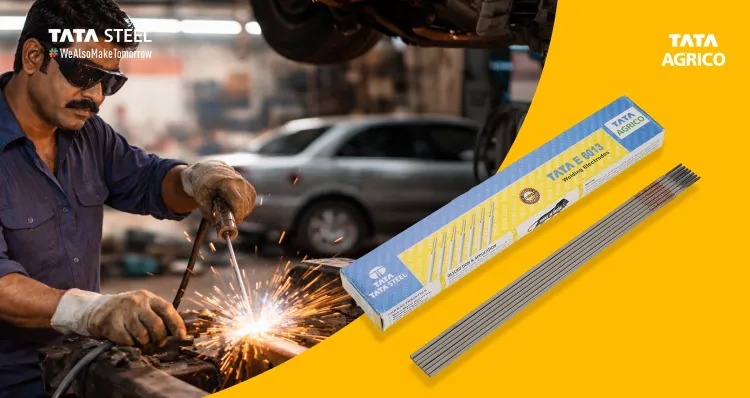
Brands like Tata Agrico offer dependable solutions designed for professional use. Known for their durable industrial welding electrodes and high‑performance welding rods, Tata Agrico products are built to deliver consistent results across different welding applications.
Conclusive Thought
Understanding how to choose welding electrode size is essential for achieving reliable welds. By following a structured metal thickness welding guide and selecting the correct welding electrode diameter, you can significantly improve weld quality.
Using the right electrode size not only enhances strength but also ensures efficiency, making it a key part of effective welding practice.