



When it comes to metal construction, roofing, and fabrication, choosing the right fastener can make all the difference. Self-drilling screws have become a preferred choice for professionals because they combine drilling, tapping, and fastening in one simple step. For metalworkers, fabricators, and contractors, these screws significantly improve speed, accuracy, and long-term durability.
In this guide, we break down everything you need to know, uses, benefits, types, and best practices, to help you choose the right self-drilling screws for your next project.
What Are Self Drilling Screws?
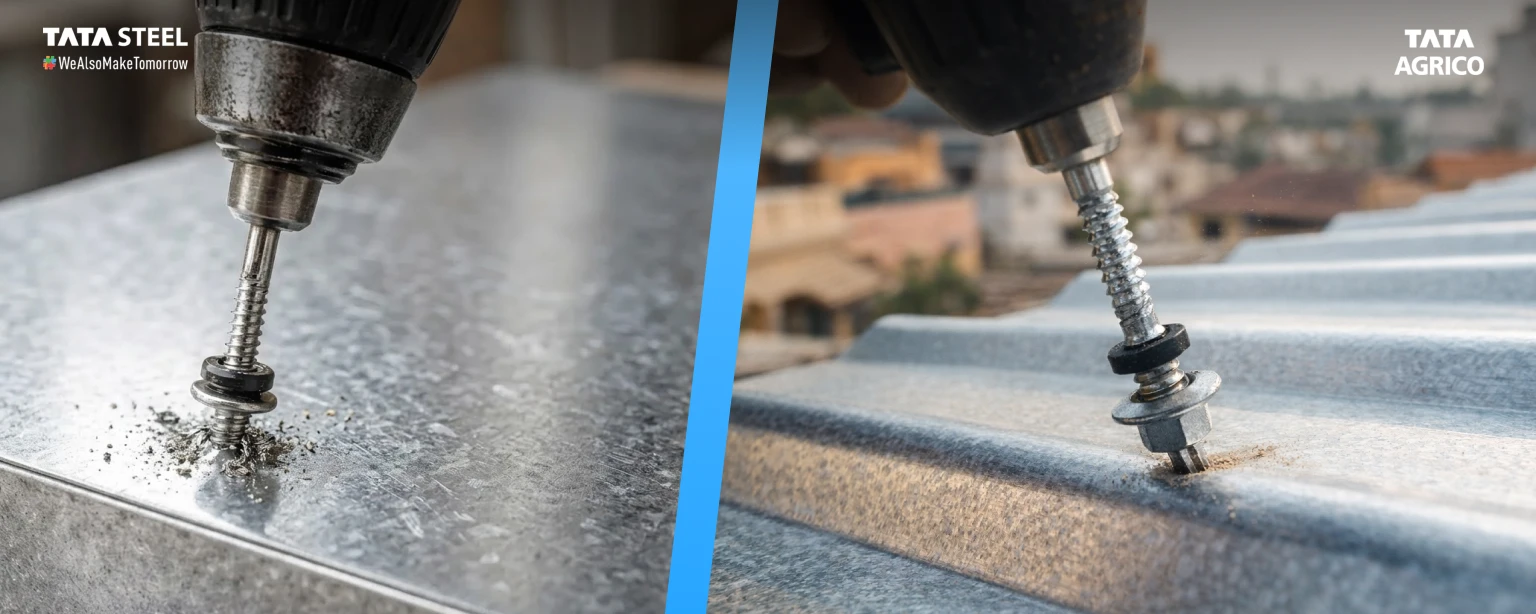
Self-drilling screws are fasteners with a built-in drill bit tip, allowing them to cut through metal and other hard materials without pre-drilling. This makes them extremely efficient for:
- Metal roofing applications
- Steel frame construction
- Sheet metal fabrication
- Fixing metal to metal or metal to wood
They save time, reduce labor, and ensure consistent performance across large projects.
Top Uses of Self Drilling Screws
Professionals widely use self-drilling screws for metal because they offer reliable grip and corrosion resistance. Common applications include:
- Metal roofing screws for fixing corrugated and galvanized sheets.
- Steel frame fixing screws for structural work.
- Sheet metal fixing screws for ducts, panels, and industrial enclosures.
- Construction fasteners for warehouses, factories, and sheds.
- Metal fabrication screws for gates, railings, and machine assemblies.
Where strength and precision are required, high-tensile screws offer superior load-bearing performance.
Why Professionals Prefer Self Drilling Screws
● Saves installation Time
Traditional screws require a separate drilling step. Self-drilling screws eliminate this, allowing faster installation and reducing effort—especially in large-scale construction.
Professionals widely acknowledge that self-drilling screws improve work efficiency by up to 40%.
● Strong Grip in Metal
These fasteners are designed to create their own threads, ensuring a tight and reliable grip, especially in steel structures.
● Corrosion-Resistant Options
Many corrosion-resistant screws come with zinc or specialized coatings, ensuring long-term durability even in outdoor and industrial environments.
● Uniform Performance
Each screw drills consistently, reducing errors, cracks, and misalignment. This makes them ideal for roofing sheets and high-precision metalwork.
Self-Tapping vs Self Drilling Screws: What’s the Difference?
Many buyers confuse the two:
- Self-Tapping Screws need a pre-drilled hole.
- Self-Drilling Screws drill and tap their own hole.
For metalwork and roofing, self-drilling fasteners are always the faster and more efficient choice.
Best Practices for Using Self Drilling Screws
- Choose the right drill point size depending on metal thickness.
- Use high-performance self-drilling screws for heavy-duty steel structures.
- Maintain steady drilling speed; avoid too much pressure.
- Ensure screws have proper coating for weather exposure.
- For roofing, always use screws with EPDM washers for water sealing.
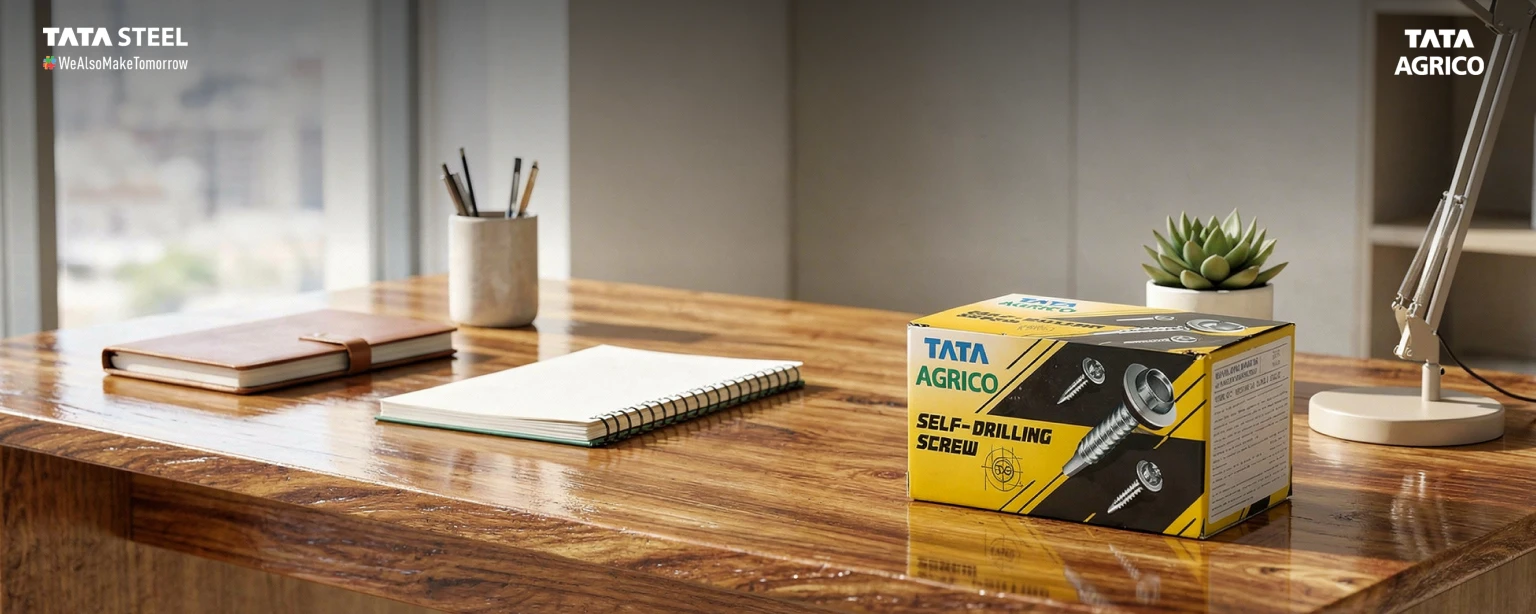
- Buy from reliable brands when purchasing self-drilling screws online to ensure consistent quality and durability.
Frequently Asked Questions (FAQs)
● Can I use self-drilling screws with a normal drill machine?
Yes. A standard electric drill or cordless driver works well. Just maintain a steady speed—too high a speed may burn the drilling point.
● What should I do if the screw keeps spinning and won’t tighten?
This usually means the hole is oversized or the screw is not the right size. Switching to a slightly thicker screw or using a different thread design will solve the issue.
Conclusion
Self-drilling screws have transformed the construction and metalworking industry. Whether you are fixing roofing sheets, building steel structures, or fabricating metal components, these fasteners offer unmatched speed, strength, and reliability—making them the go-to choice for professionals across India.