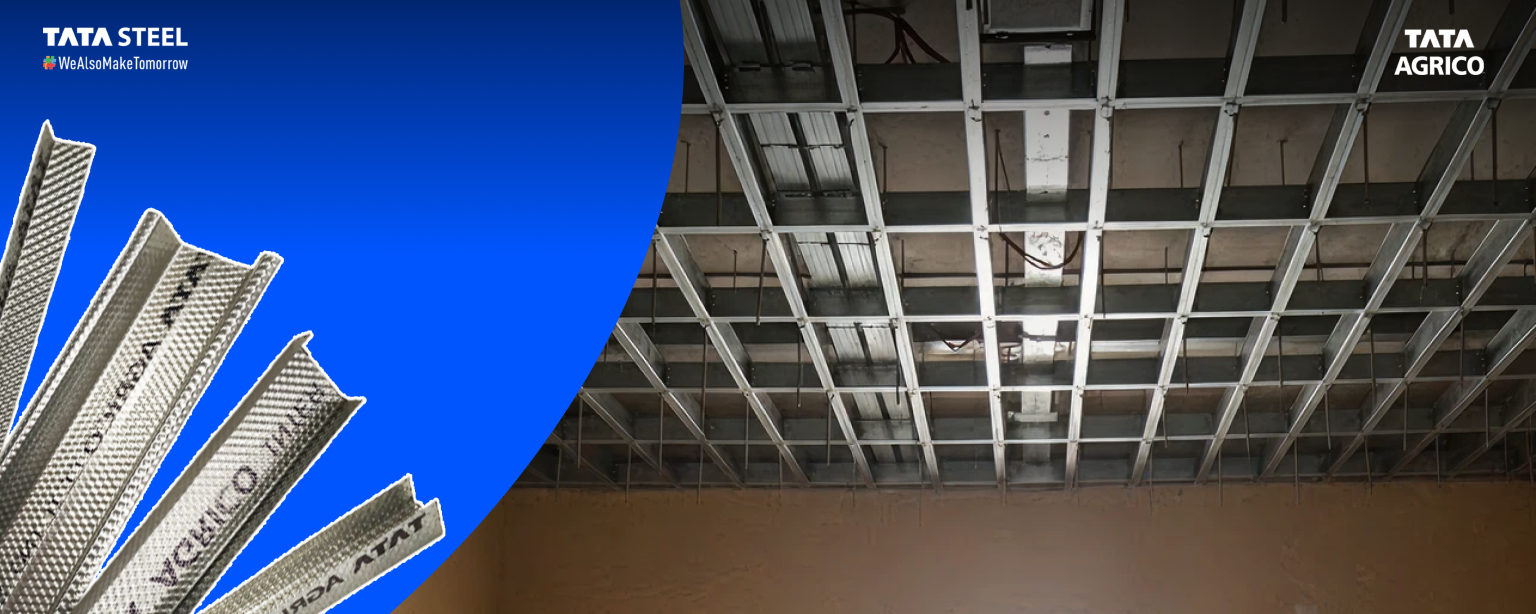




False ceilings are designed to deliver both visual finish and structural functionality. While the outer panels receive most of the attention, the long-term performance of the system depends heavily on the framework hidden above. Among its key components, the ceiling framework intermediate channels play a central role in maintaining strength, alignment, and load stability.
In modern installations, especially where ceiling spans are wider or service loads are higher, the quality of the support framework directly affects durability. This makes intermediate channels for false ceilings an essential component in achieving reliable long-term performance.
The Structural Role of Intermediate Channels in False Ceiling Systems
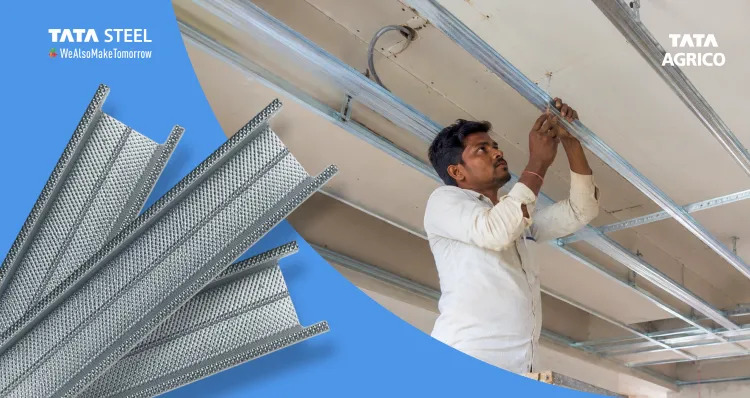
Every false ceiling relies on a support framework that distributes load evenly and maintains surface alignment. Within this structure, false ceiling support channel systems use intermediate channels to connect and stabilise the primary framework.
These channels help transfer loads across the ceiling grid, reducing local stress points and preventing uneven weight distribution. Without properly engineered support members, ceilings may develop sagging, joint cracks, or surface irregularities over time.
This is why durable false ceiling intermediate channels are critical in both residential and commercial ceiling applications.
Why Material Strength Matters in Intermediate Channels
The performance of a false ceiling framework depends not only on design but also on material strength. High-strength intermediate channels are manufactured to resist bending, maintain shape, and withstand continuous structural load over time.
This becomes particularly important in projects involving:
- Integrated lighting systems
- Layered ceiling designs
- Larger unsupported spans
In such environments, weaker sections may deform under load, affecting the overall ceiling finish. Products such as Tata Agrico Intermediate Channels are designed to support consistent structural performance across varied site conditions.
How Intermediate Channels Support Modern False Ceiling Design
As interior systems become more modular and design-led, the demand for precision support structures has increased. Heavy-duty false ceiling channels are now expected to support faster installation, cleaner alignment, and greater design flexibility.
Modern systems typically require:
- Dimensionally consistent support members
- Easy compatibility with modular ceiling layouts
- Reliable long-term alignment retention
This has increased demand for engineered commercial false ceiling support solutions, especially in office, retail, and hospitality interiors where durability and finish quality must work together.
Choosing the Right Intermediate Channels: Strength Over Short-Term Cost
Price remains an important consideration during procurement, which is why searches around intermediate channels price in India are common.
However, selecting solely on price can create long-term maintenance issues. Buyers and contractors typically assess:
- Steel thickness and material quality
- Load-bearing capability
- Resistance to bending and corrosion
For those looking to buy intermediate channels in India, long-term structural reliability often becomes a more valuable consideration than immediate cost savings.
Manufacturers such as Tata Agrico help address this need through consistent material quality and dependable manufacturing standards.
Where Intermediate Channels Make the Biggest Difference
Not every ceiling installation places the same demand on the framework. However, high-strength intermediate channels are particularly valuable in:
- Commercial spaces with wider ceiling spans
- Retail interiors with integrated services and lighting
- Residential projects with layered or recessed ceiling designs
In these applications, strong intermediate support improves load distribution and helps maintain long-term ceiling stability.
Important Questions Before Choosing Intermediate Channels
Selecting the right intermediate channels for false ceiling often depends on project design, load requirements, and expected service life. Some common questions during planning and procurement include:
What is the purpose of intermediate channels in a false ceiling system?
Intermediate channels support the ceiling framework by transferring load, maintaining alignment, and strengthening the overall grid structure.
Why are high-strength intermediate channels preferred?
They improve structural stability, reduce the risk of sagging, and help the ceiling system retain its shape over time.
How should buyers evaluate intermediate channels beyond price?
While intermediate channels price is important, material strength, dimensional consistency, and long-term durability are equally important for reliable ceiling performance.
Better Support Creates Better Ceiling Performance
The durability of a false ceiling depends on more than its visible finish. It depends on the strength of the support system behind it. Well-engineered ceiling framework intermediate channels improve alignment, reduce structural stress, and help ensure that the system performs consistently over time.
As ceiling systems become more advanced, choosing durable false ceiling intermediate channels becomes an important investment in long-term reliability. Solutions like Tata Agrico Intermediate Channels, designed for dependable structural support, help deliver that strength where it matters most, i.e., within the framework itself.