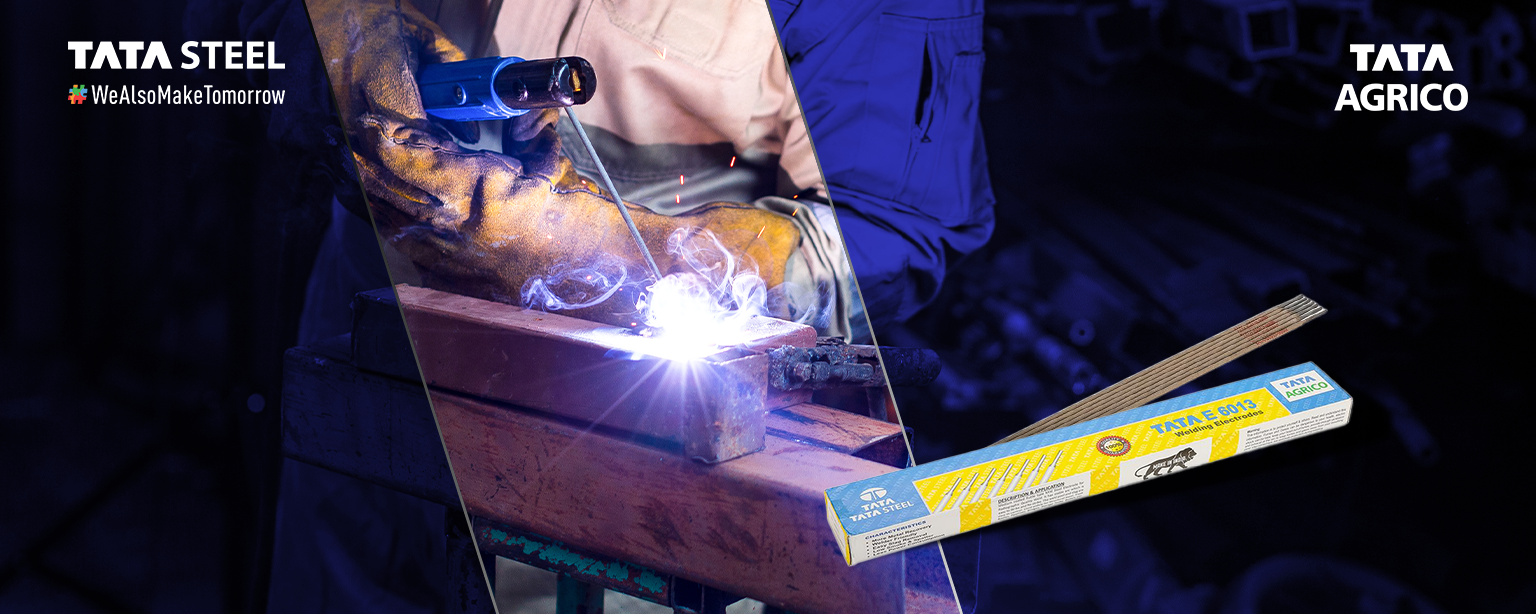




Strong welds begin long before the arc is struck. While welding technique plays a crucial role, one of the most overlooked causes of weld failure is incorrect electrode selection or poor welding electrode quality. An unsuitable electrode can lead to weak joints, poor fusion, cracking, and costly rework, even when the welding process is carried out correctly.
This electrode selection guide explains how welding electrode quality influences weld performance, the common mistakes that lead to failures, and what to consider when choosing electrodes for structural and industrial applications.
Why Welding Electrode Quality Matters
A welding electrode does more than complete an electrical circuit. It also influences weld strength, arc stability, penetration, and the overall integrity of the joint. Selecting the right electrode for the base metal and application helps produce stronger, more reliable welds and reduces the likelihood of defects.
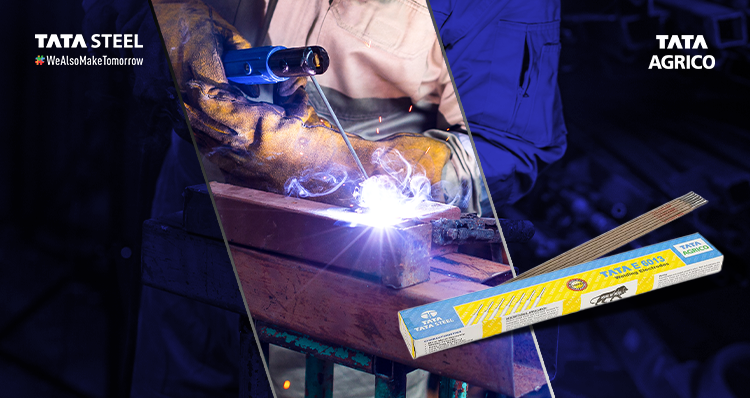
For demanding structural steel work and heavy fabrication, manufacturers such as Tata Agrico offer low-hydrogen carbon steel industrial welding electrodes featuring low-moisture coatings that help produce high-strength, crack-resistant welds.
Common Weld Failure Causes Related to Electrodes
Although weld failures can result from several factors, electrode-related issues are among the most common and easiest to prevent.
Incorrect Electrode Selection
Choosing an electrode without considering the base metal, material thickness, or service conditions can result in poor fusion, inadequate penetration, and weak welds. Different types of welding electrodes are designed for specific applications, making correct electrode selection essential for producing durable, reliable welds.
Tata Agrico manufactures welding consumables engineered for structural welding applications where strength and crack resistance are critical.
Poor Electrode Storage
Even the best welding electrodes can perform poorly if they are stored incorrectly. Exposure to moisture may affect the electrode coating, leading to unstable arcs and an increased risk of weld defects.
To maintain consistent performance:
- Store electrodes in a clean, dry environment.
- Keep them sealed until required.
- Avoid exposing them to excessive humidity before use.
Proper storage helps maintain welding rod quality and improves weld consistency.
Unsuitable Welding Parameters
Using an electrode beyond its intended application can affect weld quality. Excessively low current may cause poor fusion or electrode sticking, while excessive current can lead to excessive penetration or distortion.
Always follow the manufacturer’s recommendations for the selected electrode and welding application to achieve stable arc performance.
Poor Surface Preparation
A clean welding surface is just as important as selecting the right electrode. Rust, paint, oil, grease, and dirt can interfere with fusion and increase the risk of porosity or weak joints.
Preparing the workpiece before welding helps improve bonding and allows the electrode to perform as intended.
Choosing the Right Welding Electrode
Selecting the appropriate electrode involves more than matching the material. Before purchasing welding consumables in India, professionals commonly evaluate:
- Base metal compatibility
- Application requirements
- Required weld strength
- Suitable electrode coating types
- Moisture resistance and storage requirements
- Manufacturing consistency and product quality
For structural fabrication, Tata Agrico’s low-hydrogen carbon steel electrodes feature low-moisture coatings that minimise hydrogen-related cracking while delivering high-strength welds for heavy-duty applications.
Stronger Welds Start with Better Consumables
Many welding defects can be prevented before work even begins. Choosing quality electrodes, storing them correctly, preparing clean surfaces, and following recommended welding parameters all contribute to stronger, more consistent welds with less rework.
If you’re planning to buy welding electrodes online, comparing product quality, application suitability, and manufacturer reliability can help you make a better long-term investment. Trusted manufacturers such as Tata Agrico offer welding consumables engineered for structural applications requiring high-strength, crack-resistant welds.
Frequently Asked Questions
How can electrode selection impact welding failure?
The wrong electrode may result in poor fusion, inadequate penetration, or cracking. Following an electrode selection guide and choosing compatible welding electrodes for the application helps improve joint strength and long-term reliability. Tata Agrico offers application-specific electrodes for structural welding requirements.
How does the wrong type of welding electrode affect weld quality?
Different types of welding electrodes are designed for different materials and working conditions. Using an unsuitable electrode can reduce weld strength, increase defects, and shorten service life. Selecting the best welding electrodes for the job helps achieve more consistent results.
What troubleshooting steps should be taken if welding failure is suspected to be electrode-related?
Inspect the electrode for moisture damage, verify storage conditions, confirm compatibility with the base metal, and review welding parameters before continuing. If replacement is necessary, professionals looking to buy industrial welding electrodes online should prioritise product quality, application suitability, and trusted manufacturers such as Tata Agrico.