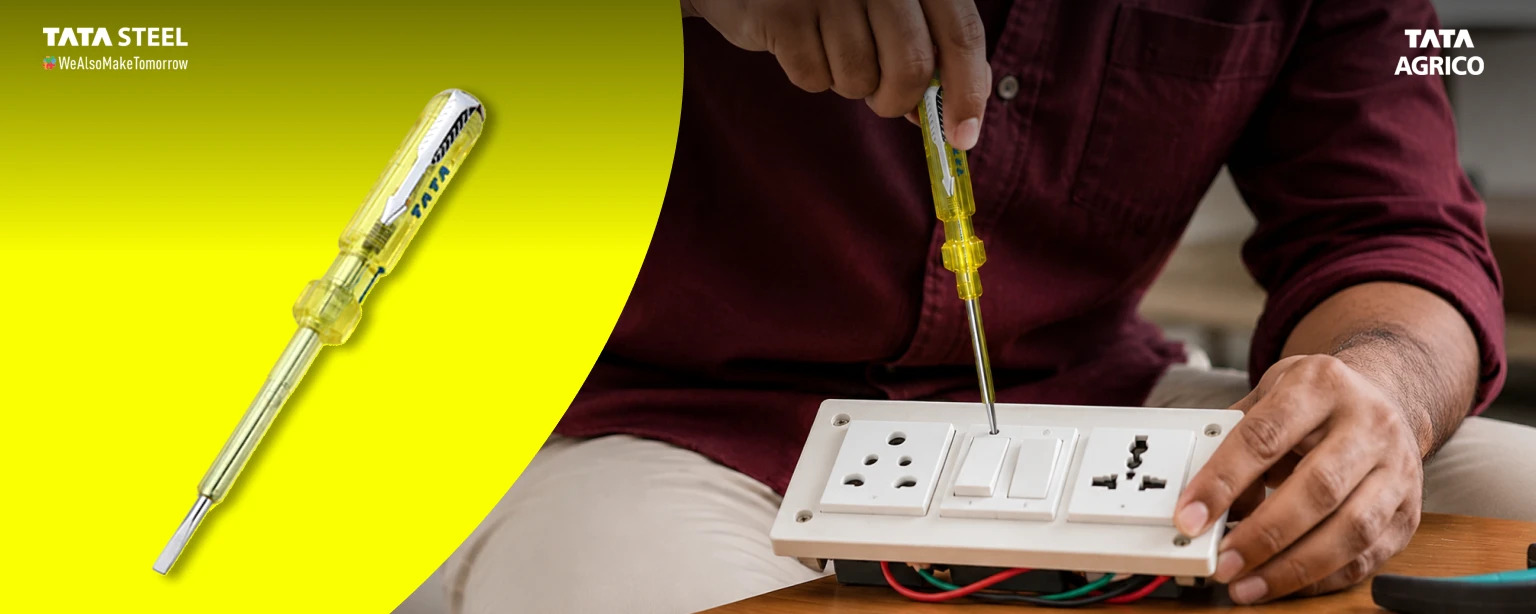





In modern electrical work, advanced electrical testing tools like digital testers are widely available. However, many professionals continue to rely on the traditional neon tester screwdriver for everyday tasks. Despite technological progress, this simple tool remains a trusted choice.
Understanding why electricians use neon testers highlights their practicality, especially for quick voltage checks in real world working conditions.
What Is a Neon Voltage Tester?
A neon voltage tester is a simple device used to detect the presence of voltage in electrical circuits. It contains a neon bulb, a series resistor, and a probe within an insulated body.
When the tip touches a live wire and the user completes the circuit, the bulb glows. This makes it one of the most basic yet effective voltage detection tools used by electricians.
Why Electricians Use Neon Testers
Electricians often prioritise tools that are simple, reliable, and efficient for everyday tasks. The continued use of this tester screwdriver highlights its practicality in quick voltage detection and routine electrical work.
• Simple and Instant Indication: A neon tester provides immediate visual feedback. If the bulb glows, voltage is present, making it easy to identify live wires.
• No Battery Required: Unlike digital devices, a neon voltage tester operates without batteries, reducing dependency on power sources.
• Durable for Daily Use: With fewer components, this electrician tester tool is less prone to failure and performs well in demanding environments.
• Compact and Convenient: As part of essential electrician hand tools, it is lightweight and easy to carry for on site work.
Neon Tester vs Digital Tester
Choosing between different voltage detection tools depends on the type of work and the level of precision required. Understanding neon tester vs digital tester helps electricians select the most suitable option for both quick checks and detailed measurements.
• Ease of Operation: Neon testers are straightforward and require no setup, while digital testers often require mode selection and display interpretation.
• Functionality: Digital testers provide readings and additional data, whereas a neon voltage tester only indicates voltage presence.
• Speed of Use: For quick checks, neon testers deliver faster results without delay.
• Accuracy: Digital tools offer precise measurement values, while neon testers are best suited for basic detection tasks.
Are Neon Testers Still Used Today?
A common question is whether neon testers are still used in modern electrical work. The answer is yes, they continue to serve as reliable tools for everyday tasks. Their simple design and ease of use make them practical for quick inspections without the need for complex setup.
They remain useful for:
• Quick identification of live wires
• Routine electrical checks
• Basic troubleshooting tasks
In many situations, electricians prefer them for their speed and convenience. Their simplicity keeps them relevant among various electrical testing tools, especially when quick and dependable voltage detection is required in both residential and industrial environments.
How to Check Current with Neon Tester
Understanding how to check current with a neon tester is important, although it is primarily designed to detect voltage, not measure current. Its simple working mechanism makes it suitable for basic electrical checks.
• Hold the Tester Correctly: Grip the insulated handle and place your finger on the top contact.
• Touch the Electrical Point: Place the tip on a wire or socket.
• Observe the Indicator: If the bulb glows, voltage is present.
This method makes the neon tester screwdriver a practical tool for quick checks, helping electricians identify live points safely and efficiently.
Choosing the Right Neon Tester
When planning to explore neon bulb tester online, selecting the right product ensures safety and efficiency. Key factors include:
• Insulated body for protection
• Comfortable grip
• Clear bulb visibility
Comparing the price of neon bulb testers with build quality helps in making a better choice.
Advantages of Neon Testers
Neon testers continue to be widely used due to their practicality and ease of handling in everyday electrical tasks. Their simple design and reliable performance make them a preferred choice for quick inspections and routine checks.
• Simple to use
• No battery dependency
• Cost effective solution
• Suitable for quick inspections
These features make them dependable voltage detection tools in daily work.
Choosing Reliable Tester Tools for Professional Use
Choosing high-quality electrician hand tools ensures safety and long term performance. Trusted brands like Tata Agrico offer durable solutions designed for practical use.
Tata Agrico neon testers are built for reliability, providing consistent performance for everyday electrical tasks. Their tools are suitable for both professional electricians and home users.
Final Remarks
The neon tester screwdriver continues to be a reliable tool despite modern alternatives. Its simplicity, durability, and quick response make it highly practical.
Understanding why electricians use neon testers shows that even basic tools can remain essential. While digital devices offer advanced features, neon testers continue to serve as dependable solutions for quick voltage detection.