

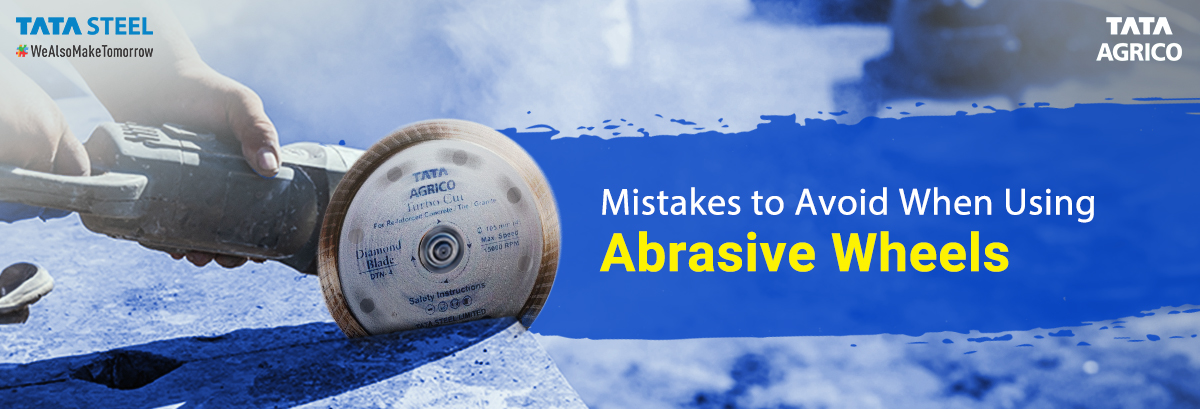


Abrasive cutting wheels are commonly used to cut, reform and refine surfaces. They come in various forms, including belts and attachments but the most common amongst them are in wheel versions.
Industrial tools such as cut-off wheels, diamond blades, saw blades, etc., are important to many toolkits. Wheels are useful to masons, woodworkers and more. However, to get the best results, it’s important to correctly use the tools—not just for the result but also for safety reasons. In this article, we will discuss some of the most common abrasive mistakes and how to avoid them.
Don’t Use Worn-Out Abrasives
The first mistake most people make is using worn-out abrasives. Dull abrasives have reduced effectiveness, which forces you to put in more effort and potentially end up damaging the surface you are working on. To avoid making this mistake, always thoroughly inspect the tool before use. If the abrasive surface is dull, glazed or cracked, it’s time for a replacement.
Don’t Use the Wrong Abrasives
It can be counterproductive if you use the wrong abrasive cutting wheel for your job. You wouldn’t use a wrench to hammer a nail, so if the surface is delicate, you can’t use a coarse abrasive.
It is recommended to do your research before you choose the correct abrasive for the material. If you’re unsure, start with the less powerful abrasive and gradually increase the strength as needed.
Don’t Apply Too Much Pressure
Applying pressure while using abrasive is important but excessive pressure can gouge the surface and break the abrasive, which is a severe safety and health risk.
Apply even and firm pressure to cut or grind effectively. If necessary, practice on a scrap material piece to get a feel for the right pressure. It’s also suggested to take regular breaks to avoid fatigue and to maintain a constant pressure level.
Always Prepare the Surfaces
A clean slate is essential to achieve a flawless finish. Don’t skip the surface prep or you might end up with irregular results. Paint, dirt and other contaminants can heavily hamper the abrasive’s effectiveness. For efficient surface preparation:
- Remove all old paint/finish, dirt, grease and dust.
- Lightly sand or scrap irregular surfaces beforehand.
- Address and evaluate any holes or cracks before starting the project.
Don’t Ignore Safety Precautions
There are many risks when using abrasives. Refining, reshaping or cutting jobs with abrasive cutting wheels generates dust particles that can irritate your lungs. It also creates sparks that can hurt your eyes. Furthermore, flying debris can also injure you. Therefore, when using such tools, you must do the following:
- Wear a dust mask, safety glasses and gloves.
- Make sure the space you work in is properly ventilated to minimise dust inhalation.
- Follow the manufacturer’s safety guide to securely fasten the abrasive to the tool.
With these tips, you can avoid mistakes when using abrasive cutting wheels and work more efficiently! For the best industrial tools such as diamond blades, wood cutting blades, cut-off wheels and flap discs, visit Tata Agrico.