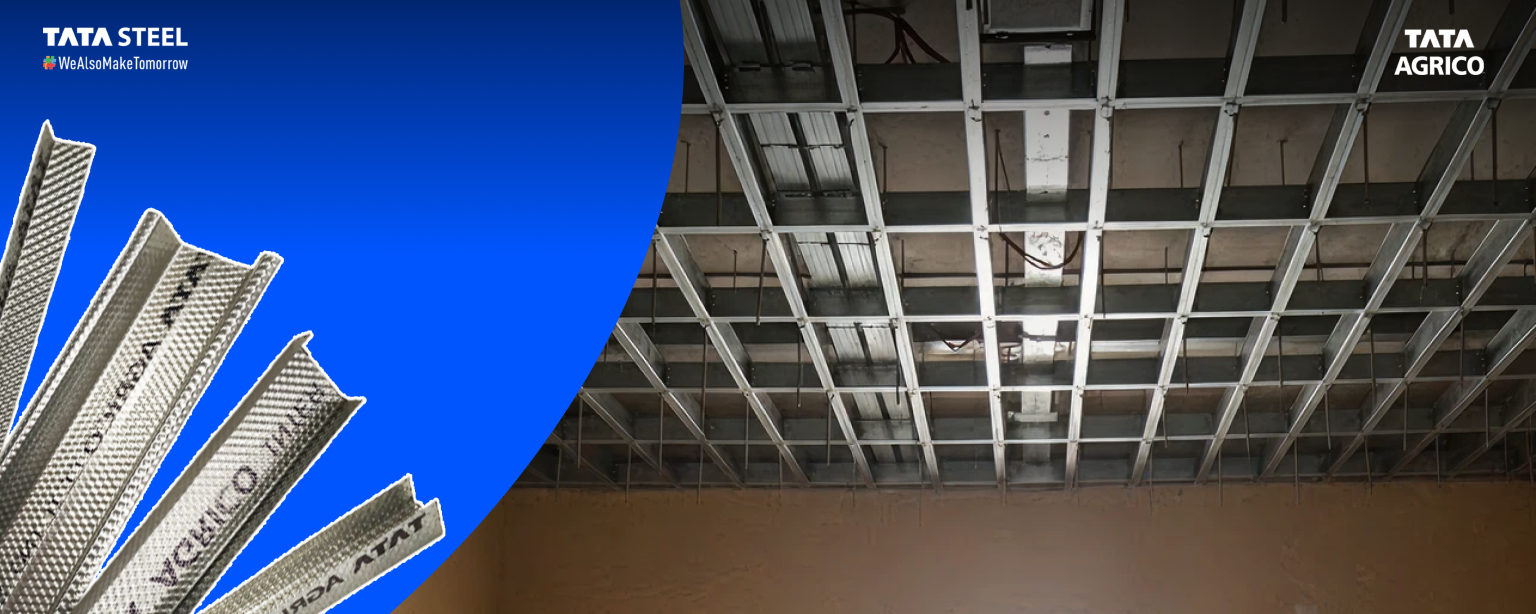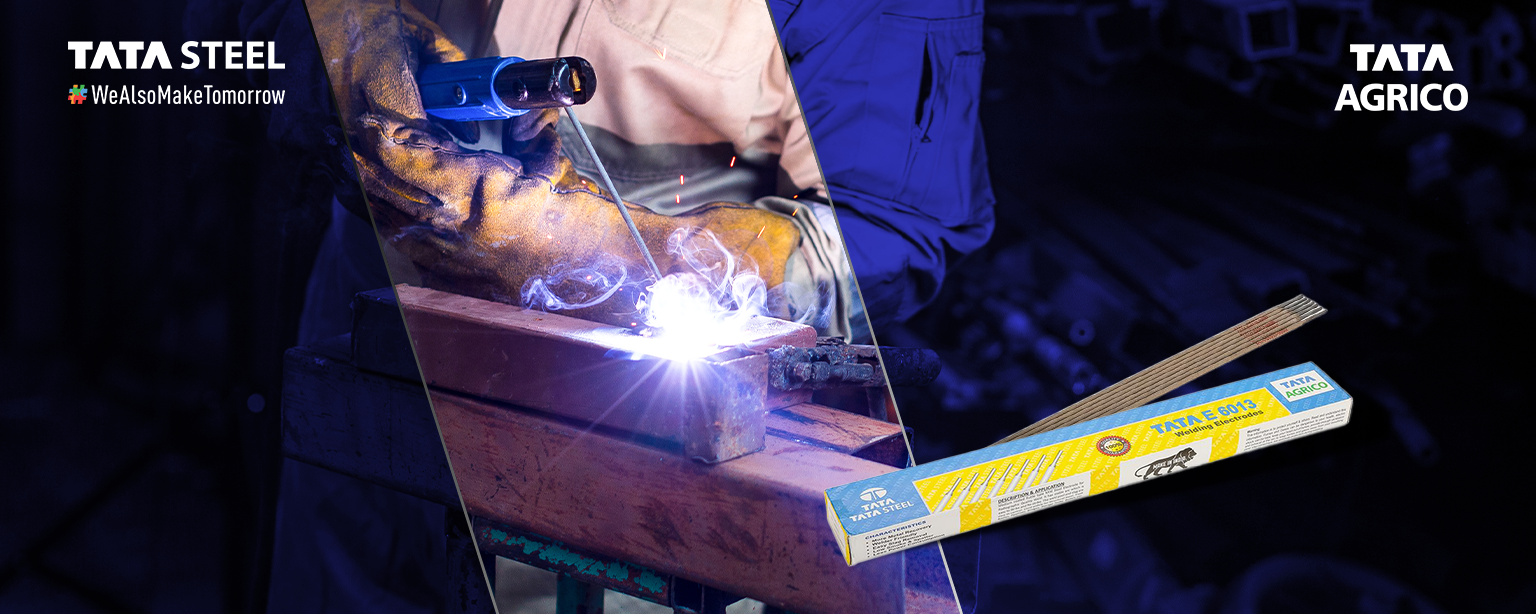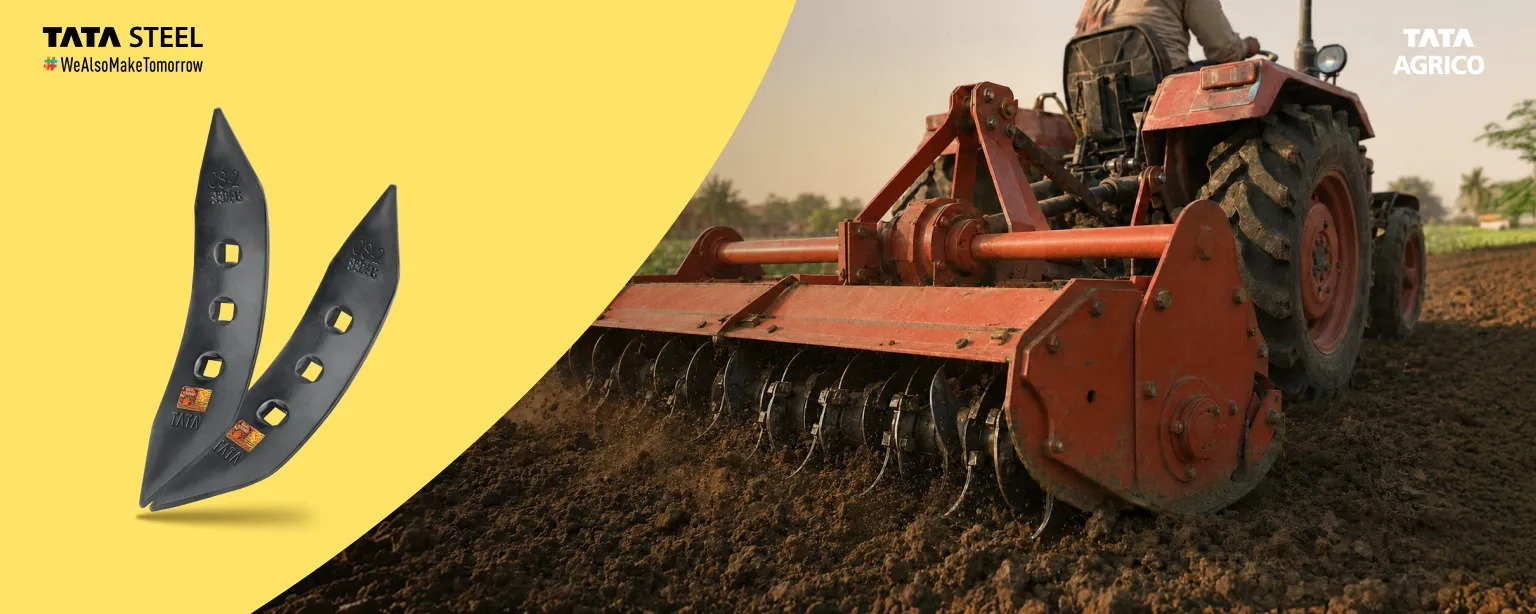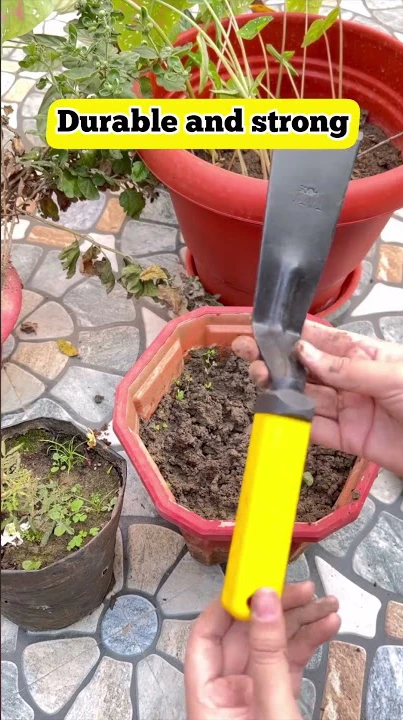


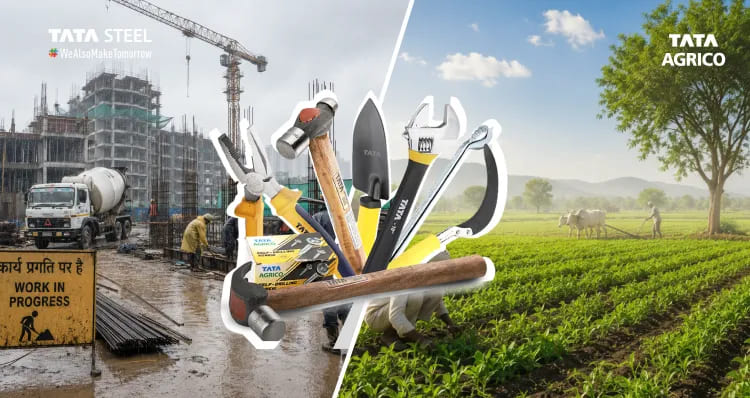


Demand patterns for hand tools are rarely constant. Across India, variations in weather, construction timelines, and user behaviour lead to clear fluctuations in hand tool demand trends. For dealers and suppliers, recognising these patterns is essential to maintain availability while avoiding overstocking.
From large infrastructure projects to individual home improvement activities, each segment follows its own seasonal rhythm, directly influencing which tools are required and when.
Peak Season for Hardware Tools: The Construction Led Surge
The peak season for hardware tools in India is closely linked to construction activity, which typically accelerates during the dry months. Stable ground conditions and predictable weather enable projects to progress at scale, driving increased demand for construction season tools across regions.
This period also marks the peak season for construction tools, during which bulk procurement becomes common. Contractors prioritise tools that can withstand continuous use, making durability and consistency key factors in purchasing decisions.
Tools in Demand During the Construction Season
During high activity periods, demand tends to concentrate around specific tool categories. Understanding which tools sell more during the construction season helps dealers streamline inventory and improve supply readiness.
High Movement Tool Categories
- Digging Tools: Spades and shovels used for groundwork and site preparation
- Striking Tools: Hammers for assembly and structural tasks
- Cutting Tools: Axes used for material handling and site clearing
These categories consistently emerge as high demand tools for dealers, particularly when projects operate under tight timelines. Tools designed for extended operational cycles, such as those manufactured by Tata Agrico, are often preferred for their ability to maintain performance under repetitive use and varying site conditions.
DIY Tools Seasonal Trends: A Shift in User Behaviour
While construction drives large scale demand, seasonal trends for DIY tools follow a different pattern. Demand in this segment typically rises during periods when individuals are more active in home improvement or personal projects.
This often includes pre festive months or cooler seasons, when conditions are more suitable for small scale repairs, gardening, or setup tasks. Unlike construction applications, the focus here is primarily on ease of handling and practicality rather than heavy duty performance.
Monsoon vs Summer Tool Demand: Weather Driven Shifts
Weather plays a decisive role in shaping purchasing behaviour. An analysis of monsoon vs summer hand tool demand highlights how usage priorities change across seasons.
Summer Demand Patterns
- Increased construction activity in urban and semi urban areas
- Higher movement of groundwork and structural tools
- Bulk purchasing by contractors and project managers
Monsoon Demand Patterns
- Slower construction activity in many regions
- Increased focus on repair, maintenance, and smaller tasks
- Greater emphasis on tool durability and moisture resistance
These seasonal shifts also influence the demand for agricultural tools, particularly in rural markets where the monsoon coincides with sowing and soil preparation cycles.
Dealer Insights on Tool Sales Trends: Planning Beyond Historical Data
For dealers, relying solely on past sales data is insufficient. Interpreting tool sales trends requires an understanding of external factors such as climate conditions, local construction cycles, and regional demand variations.
Key Considerations for Inventory Planning
- Timing purchases: Align stocking schedules with anticipated demand cycles
- Balancing categories: Maintain a mix of heavy duty and general purpose tools
- Prioritising durability: Stock tools that reduce frequent replacements
Knowing the best time to stock hand tools allows dealers to anticipate demand spikes rather than react to them, improving supply consistency and reducing missed sales opportunities.
Seasonal Demand for Agricultural Tools: Parallel Market Dynamics
Beyond construction and DIY segments, rural demand follows its own seasonal pattern. The seasonal demand for agricultural tools generally rises before and during key farming periods, particularly around the onset of the monsoon.
This creates overlapping demand in certain regions, where both construction and agricultural requirements contribute to increased tool movement. Recognising this overlap helps suppliers maintain balanced inventory levels across multiple tool categories.
What This Means in Practice
Seasonal demand trends in hand tools are shaped by a combination of environmental conditions, industry cycles, and evolving user behaviour. Construction activity drives volume during dry months, while DIY and agricultural needs add additional layers of demand throughout the year.
A well timed stocking strategy, supported by a strong understanding of these patterns, ensures that the right tools are available when they are needed most. Manufacturers that consistently align their offerings with these cycles—such as Tata Agrico—play a supporting role in this ecosystem.
For dealers and suppliers, aligning inventory planning with seasonal demand is not just operationally efficient; it has a direct impact on sales performance and customer satisfaction.