



False ceilings today are not just aesthetic additions; they carry electrical loads, lighting systems, and long-term structural expectations. However, many failures in interiors begin not with the design, but with the ceiling framework channels used beneath the surface.
High-quality structural support ensures stability, prevents sagging, and improves the long-term durability of ceiling systems. In modern construction, especially with evolving modern false ceiling systems, the strength of the channel framework determines how well the entire structure performs over time.
The Structural Role of Ceiling Channels in False Ceiling Systems
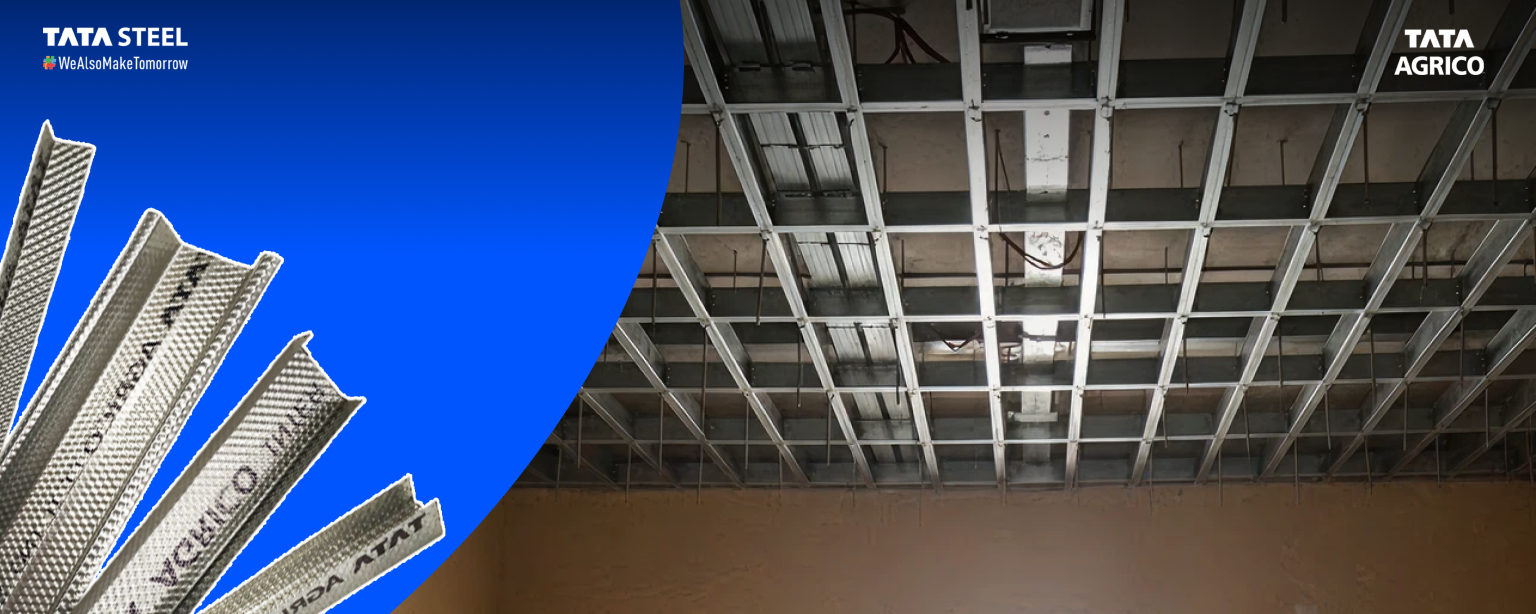
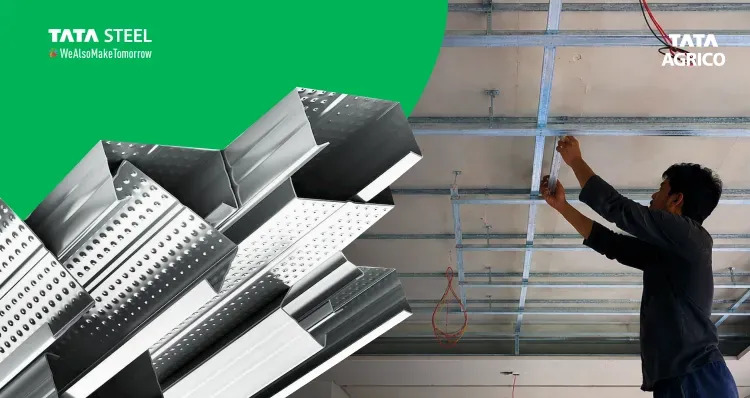
At the core of every false ceiling is a network of false ceiling channel systems that form the skeleton of the structure. These channels carry load distribution, support gypsum boards or panels, and maintain alignment across large surface areas.
When properly engineered, such ceiling channel applications ensure that the structure remains level and resistant to deformation over time. Poor-quality materials, however, can lead to uneven surfaces, joint cracks, and premature structural fatigue.
In professional installations, contractors prefer high-quality ceiling channels because they offer better dimensional accuracy and consistent load-bearing performance, especially in large commercial interiors.
Why Material Strength Defines Long-Term Ceiling Durability
The durability of a false ceiling depends heavily on the rigidity and composition of its framework. Durable false ceiling channels are typically manufactured using controlled processes that enhance tensile strength and resistance to bending.
Products like Tata Agrico ceiling channels are widely used in construction environments where consistent structural performance is required across varying site conditions.
Key Benefits of Stronger Ceiling Channels
- Better load distribution across large spans
- Reduced risk of structural sagging
- Improved alignment retention over time
- Enhanced compatibility with modern ceiling designs
These factors are critical in projects where ceilings are expected to integrate lighting systems, insulation layers, and decorative finishes without compromising stability.
Ceiling Channel Systems and Modern Construction Requirements
With the rise of modular construction, ceiling channels for false ceiling have evolved to meet higher precision and faster installation needs. Contractors now prioritise materials that support clean alignment and reduced installation time.
- Lightweight but strong structural profiles
- Precision-cut edges for easy fitting
- Compatibility with modular installation techniques
These requirements have led to increased adoption of engineered false ceiling channels that ensure both efficiency and long-term durability in interior frameworks.
Choosing the Right Ceiling Channels: Quality vs Cost
When selecting materials, pricing often becomes a key consideration. Searches like ceiling channels’ price in India reflect the need for cost clarity in procurement decisions.
However, focusing only on price can compromise structural integrity. Instead, contractors evaluate:
- Material grade and thickness
- Load-bearing capacity
- Long-term resistance to corrosion and deformation
For buyers looking to buy ceiling channels online, the focus is increasingly shifting toward certified quality rather than the lowest-cost procurement.
Reliable manufacturers such as Tata Agrico provide consistency in material quality, making them a preferred choice in professional-grade installations.
Where High-Strength Channels Make the Biggest Difference
Not all ceiling applications require the same level of structural support. However, high-strength ceiling channels are particularly important in:
- Commercial office spaces with extended ceiling spans
- Retail environments with integrated lighting systems
- Residential projects using layered false ceiling designs
In these environments, even minor structural instability can affect both aesthetics and safety, making material selection critical.
Common Questions Around Ceiling Channel Selection
The decision to buy ceiling channels in India often depends on project type, load requirements, and long-term performance expectations. Some common questions during specification and procurement include:
- What Are Ceiling Channels Used for False Ceiling Systems?
Ceiling channels form the structural base of the false ceiling. They support boards or panels, distribute load evenly, and help maintain alignment across the installation. - Why Are High-Strength Ceiling Channels Preferred in Modern Projects?
Durable false ceiling channels improve durability by reducing the risk of sagging, joint failure, and structural deformation, particularly in larger or more complex false ceiling systems. - How Should Buyers Evaluate Ceiling Channels Beyond Price?
While ceiling channels’ price is an important consideration, material strength, dimensional consistency, and long-term durability are equally important for reliable performance.
Building Stability from the Framework Upwards
The long-term performance of a false ceiling depends on more than its design; it depends on the structural reliability of the framework underneath. Strong, well-engineered ceiling framework channels improve alignment, reduce maintenance concerns, and help ensure that the ceiling performs consistently over time.
As project requirements become more demanding in 2026, choosing high-quality ceiling channels becomes a practical investment in durability. Solutions like Tata Agrico Ceiling Channels, designed for dependable structural performance, help support that reliability from the framework upwards.